

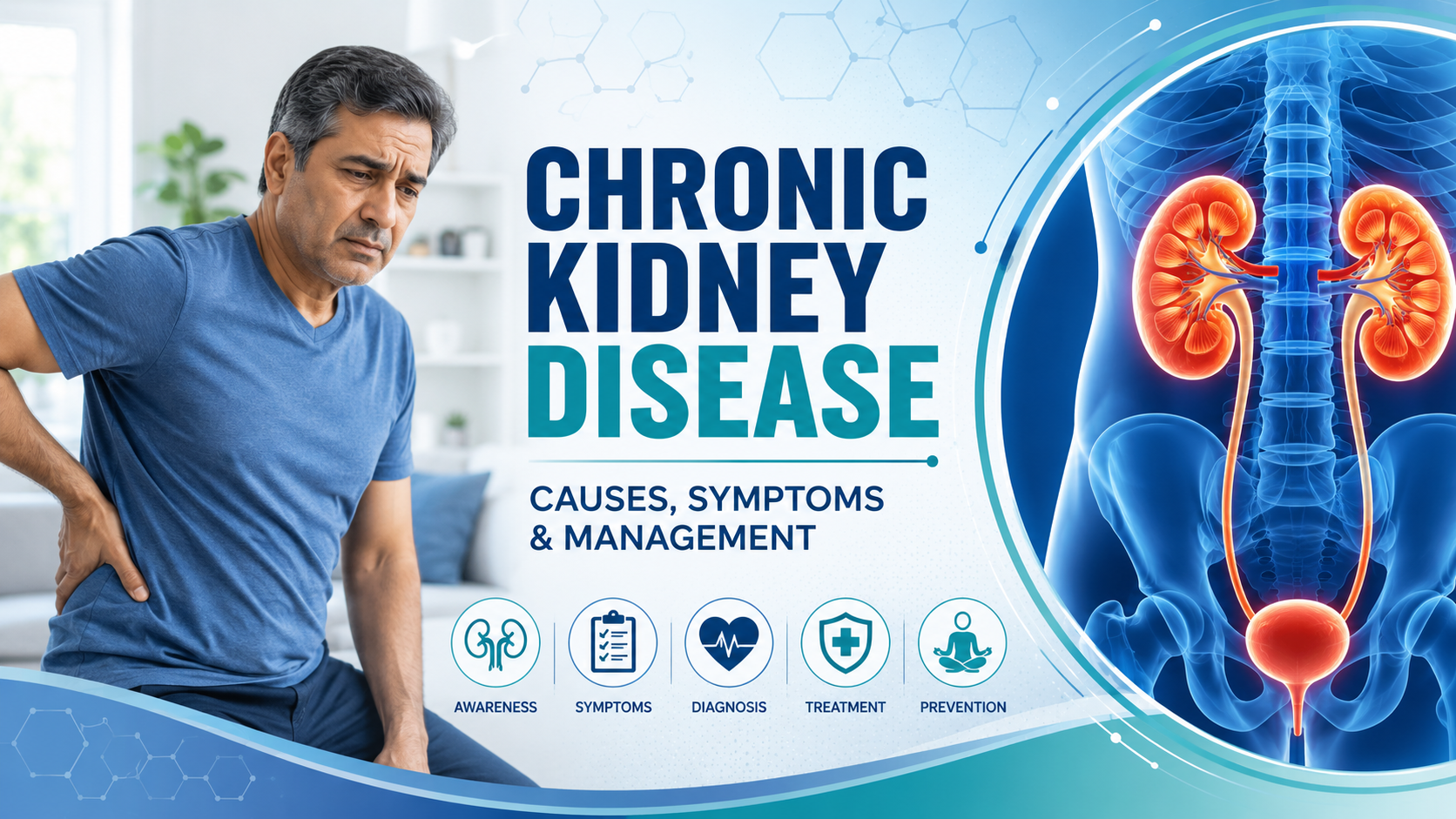
Chronic Kidney Disease affects more than 800 million people worldwide. Your kidneys might be failing right now without any symptoms. Early detection changes everything. The difference between Stage 1 and Stage 5 is measured in years of life.
What Chronic Kidney Disease Actually Does to Your Body
Your kidneys filter about 50 gallons of blood every day. They remove waste products and extra fluid from your system. When Chronic Kidney Disease develops, this filtering process breaks down slowly.
The damage happens in tiny filtering units called nephrons. Each kidney contains about one million nephrons. Once these nephrons get damaged, they can’t repair themselves.
Your body starts retaining waste products like creatinine and urea. Fluid builds up in your tissues. Electrolytes like potassium and phosphorus reach dangerous levels. Blood pressure rises as your kidneys lose their ability to control it.
Most people don’t feel anything during early stages. Kidneys are remarkably good at compensating for damage. Symptoms only appear after you’ve lost about 75% of kidney function.
The Five Stages and What They Mean
Doctors measure kidney function using a number called GFR. This stands for glomerular filtration rate. It tells you what percentage of normal kidney function you have left.
Stage 1 means you have kidney damage but GFR above 90%. Your kidneys still work at nearly full capacity. Stage 2 shows mild reduction with GFR between 60 and 89%.
Stage 3 splits into two parts. Stage 3a runs from 45 to 59% function. Stage 3b drops to 30 to 44% function. This is where most people start experiencing symptoms.
Stage 4 means severe reduction with GFR between 15 and 29%. You need to prepare for kidney replacement therapy. Stage 5 is kidney failure with GFR below 15%.
The progression isn’t always linear. Some people stay stable for years. Others decline rapidly depending on the underlying cause.
Chronic Kidney Disease Risk Factors You Can Control
Diabetes causes about 40% of all kidney disease cases. High blood sugar damages the small blood vessels in your kidneys. Keeping your A1C below 7% significantly slows this damage.
High blood pressure comes second as a cause. It damages kidney blood vessels through constant pressure. Maintaining readings below 130/80 protects your filtering units.
Obesity stresses your kidneys by making them work harder. Extra body weight increases blood flow to the kidneys. This creates hyperfiltration that damages nephrons over time. Managing your weight through diet reduces this mechanical stress significantly.
Smoking constricts blood vessels and reduces kidney blood flow. It also raises blood pressure and slows existing kidney disease progression. Quitting adds years to kidney function.
Certain pain medications damage kidneys when used long term. NSAIDs like ibuprofen reduce blood flow to filtering units. Limit their use to short periods when absolutely needed.
Early Warning Signs Most People Ignore
Swelling in your ankles and feet signals fluid retention. Your kidneys aren’t removing enough water from your blood. This usually appears in Stage 3 or later.
Foamy urine means protein is leaking into your urine. Healthy kidneys keep protein in your bloodstream. Foam that persists after flushing needs immediate medical attention.
Changes in urination patterns matter. You might urinate more at night. Your urine might look darker or lighter than usual. These changes reflect declining filtration capacity.
Persistent fatigue happens when waste products build up. Your blood becomes slightly toxic. Anemia also develops as kidneys produce less erythropoietin. This hormone tells your body to make red blood cells.
Muscle cramps occur when electrolytes get imbalanced. Potassium and calcium levels fluctuate. Cramps often happen at night and affect the legs most.
Testing and Diagnosis Methods
A basic metabolic panel measures creatinine in your blood. Doctors use this number to calculate your GFR. The test costs about $30 without insurance.
Urine tests check for protein and blood. Normal urine contains almost no protein. Even small amounts suggest kidney damage. A urine albumin test is more sensitive than standard dipstick tests.
The albumin to creatinine ratio provides better information. Doctors collect a single urine sample instead of 24 hours. Ratios above 30 mg/g indicate kidney damage.
Ultrasound imaging shows kidney size and structure. Small kidneys usually mean chronic disease. Large kidneys might suggest acute problems or polycystic kidney disease.
Kidney biopsies are rarely needed. Doctors use them when the cause remains unclear. A needle extracts a tiny tissue sample for microscopic examination.
How Chronic Kidney Disease Changes Your Diet
Sodium restriction becomes critical as disease progresses. Your kidneys can’t remove excess salt effectively. Aim for less than 2,300 mg daily. Less than 1,500 mg works better for advanced stages.
Protein intake needs careful balancing. Too much protein creates more waste for damaged kidneys. Too little causes muscle wasting. Most people need 0.6 to 0.8 grams per kilogram of body weight.
Potassium becomes dangerous in later stages. High levels cause irregular heartbeats and sudden cardiac arrest. Bananas, oranges, tomatoes, and potatoes are high in potassium. You might need to limit or avoid them.
Phosphorus binds with calcium in advanced disease. This weakens your bones and causes calcification in blood vessels. Dairy products, nuts, and beans are high in phosphorus. Special dietary approaches help manage these restrictions while maintaining nutrition.
Fluid intake might need limits in Stage 4 and 5. Your body can’t remove excess water efficiently. Daily weighing helps track fluid accumulation.
Treatment Options at Different Stages
Early stages focus on slowing progression. Controlling blood sugar and blood pressure matters most. ACE inhibitors and ARBs protect kidneys even beyond lowering blood pressure.
Stage 3 adds management of complications. You’ll need treatment for anemia with iron supplements or EPO injections. Phosphate binders prevent bone disease.
Stage 4 requires preparation for kidney replacement therapy. You’ll meet with dialysis nurses and transplant coordinators. Creating a vascular access for dialysis takes months to mature properly.
Dialysis comes in two main forms. Hemodialysis filters blood through a machine three times weekly. Peritoneal dialysis uses your abdominal lining as a filter at home.
Kidney transplant offers the best outcomes for eligible patients. Living donor transplants work better than deceased donor organs. The waiting list for deceased donors averages three to five years.
Life Expectancy and What Affects It
Stage 1 and 2 kidney disease barely affects lifespan with good management. You can live decades without progression. Regular monitoring catches problems early.
Stage 3a patients live close to normal lifespans. Stage 3b reduces life expectancy by several years on average. Age and other health conditions factor heavily into these numbers.
Stage 4 patients face significant mortality risk from heart disease. Kidney disease dramatically increases cardiovascular problems. Heart attacks and strokes kill more patients than kidney failure itself.
Stage 5 patients on dialysis live an average of 5 to 10 years. Younger patients do much better than older ones. Transplant recipients live 10 to 15 years longer than dialysis patients.
Diabetes worsens all these numbers significantly. Diabetic kidney disease progresses faster than other types. Tight glucose control makes a measurable difference in outcomes.
Preventing Progression When You’re Already Diagnosed
Blood pressure control matters more than any other single factor. Every 10 point reduction in systolic pressure slows decline. Home monitoring provides better data than office readings.
Regular exercise protects remaining kidney function. Aim for 150 minutes of moderate activity weekly. Walking, swimming, and cycling all work well.
Avoiding nephrotoxic substances preserves what function remains. This includes certain antibiotics, contrast dyes, and herbal supplements. Always tell doctors about your kidney disease before tests or medications.
Treating urinary tract infections quickly prevents scarring. Recurrent infections accelerate kidney damage. Women with kidney disease should urinate after sexual activity.
Annual flu shots and pneumonia vaccines prevent serious infections. Kidney disease weakens your immune system. Infections stress already damaged kidneys and can cause rapid decline.
Schedule your comprehensive kidney function tests and discuss treatment options with your doctor this week.
Frequently Asked Questions
Can Chronic Kidney Disease be reversed?
Early stage kidney disease can sometimes be reversed with aggressive treatment. This mainly applies to Stage 1 and early Stage 2 disease. Once significant scarring occurs, reversal becomes impossible. The focus shifts to slowing progression and preventing further damage. Controlling underlying conditions like diabetes and high blood pressure offers the best chance for stabilization.
What foods should I avoid with kidney disease?
Avoid foods high in sodium, potassium, and phosphorus in advanced stages. This includes processed meats, canned soups, bananas, oranges, dairy products, and nuts. Dark colas contain high phosphorus levels. Your specific restrictions depend on your blood test results. Early stage patients often don’t need major dietary changes.
How often should I get tested for kidney disease?
People with diabetes or high blood pressure need annual kidney function tests. This includes blood creatinine and urine albumin checks. Once diagnosed with kidney disease, testing frequency increases based on stage. Stage 3 patients typically test every six months. Stage 4 and 5 patients need quarterly or monthly monitoring.
Does drinking more water help kidney disease?
Drinking adequate water helps in early stages of kidney disease. It prevents kidney stones and urinary tract infections. However, advanced kidney disease patients often need fluid restrictions. Damaged kidneys can’t remove excess water efficiently. Your doctor will tell you if you need to limit fluids. Don’t drink excessive amounts without medical guidance.
What’s the difference between acute and Chronic Kidney Disease?
Acute kidney injury happens suddenly over hours or days. It’s often reversible with proper treatment. Chronic Kidney Disease develops slowly over months or years. The damage is usually permanent. Acute injury can turn into chronic disease if kidneys don’t fully recover. Both conditions show elevated creatinine but have different causes and treatment approaches.