

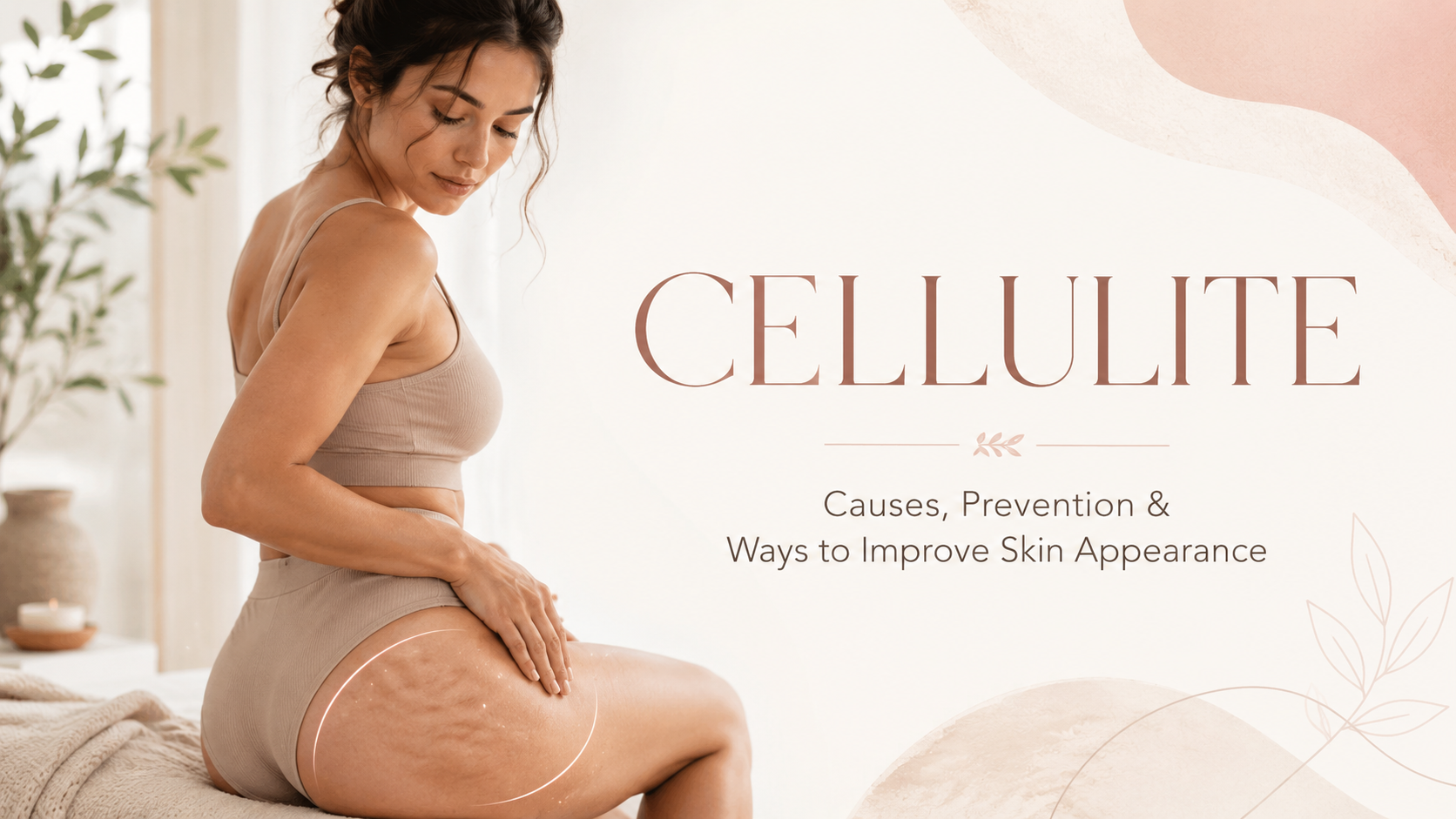
Cellulite appears on your thighs and you wonder why smooth skin seems impossible. Diet changes don’t fix it. Exercise helps but doesn’t erase it completely. The structure beneath your skin matters more than surface treatments ever will.
What Causes Cellulite Formation
Fat cells push against connective tissue under your skin. The tissue pulls down at attachment points. This creates the dimpled texture you see on your body. Women experience this more than men because their connective tissue runs vertically. Men have crisscross patterns that hold fat differently.
Hormones play a major role in how your body stores fat. Estrogen affects blood flow and collagen production in these areas. As you age, your skin gets thinner and loses elasticity. This makes the dimpled appearance more visible over time.
Genetics determines your likelihood of developing visible dimples. Your genes control skin structure and fat distribution patterns. They also influence how your body responds to hormonal changes. You can’t change your genetic makeup through any treatment method.
Where Cellulite Typically Appears
Your thighs show cellulite most commonly on the outer and back areas. The skin there has specific fat chamber structures underneath. These chambers expand as fat cells grow larger with weight gain.
Buttocks develop dimpling because of similar tissue architecture. The gluteal region stores fat for evolutionary reasons related to childbirth. This storage pattern creates perfect conditions for visible texture changes.
Your stomach can show dimpling below the belly button. Arms sometimes develop it near the tricep area. Hips and lower back are other common zones. Each location has its own connective tissue pattern and thickness.
How Different Grades Show Up
Grade one remains invisible when you stand or lie down. You only see it when you pinch the skin. The connective tissue still holds relatively firm at this stage. Most people under 30 fall into this category.
Grade two becomes visible when you stand up straight. It disappears when you lie down flat. The tissue has stretched enough to show dimpling against gravity. This grade responds better to treatment than later stages.
Grade three shows constantly in any position you take. The dimples remain whether you sit or stand or lie down. Your skin has lost significant elasticity and firmness. The fat chambers have expanded considerably at this point.
Why Cellulite Affects Women More
Your connective tissue structure differs fundamentally from male anatomy. Women have parallel bands that create chambers for fat storage. Men have diagonal crossing patterns that distribute fat more evenly.
Estrogen increases fat storage in specific body regions. It also weakens connective tissue as levels fluctuate throughout life. Pregnancy brings dramatic hormonal shifts that affect tissue structure permanently.
Your skin is naturally thinner than male skin. This makes underlying fat chambers more visible from the surface. Thinner skin loses collagen faster with age and sun exposure. The combination creates more pronounced texture changes over decades.
Common Myths About Cellulite Treatment
Drinking more water won’t flush out the dimpled appearance. Hydration helps skin health but doesn’t change fat chamber structure. Your body’s water balance operates independently from connective tissue architecture.
Creams can’t penetrate deep enough to reach fat chambers. They may temporarily tighten surface skin through dehydration or irritation. The effect disappears within hours after application stops. No topical product restructures connective tissue from outside your body.
Losing weight reduces fat cell size but doesn’t eliminate dimpling. The connective tissue structure remains unchanged by weight loss. Some people find their texture looks worse after dropping pounds. This happens because skin loses volume without gaining elasticity.
Toxins don’t cause the dimpled texture you see. Your liver and kidneys handle toxin removal constantly and efficiently. The appearance comes from structural factors, not impurities in tissues. Detox programs won’t smooth your skin’s surface texture.
Medical Procedures That Show Results
Subcision cuts the fibrous bands pulling down on your skin. A doctor inserts a needle under the surface to release tension. The procedure creates immediate improvement that lasts one to three years. You need local anesthesia and expect bruising for several weeks.
Laser treatments heat tissue to stimulate collagen production underneath. The warmth also melts fat in targeted areas selectively. Results appear gradually over three to six months after treatment. You typically need multiple sessions spaced weeks apart for visible changes.
Radiofrequency devices send energy deep into skin layers without surgery. The heat tightens existing collagen and triggers new growth. Most people need six to eight treatments for noticeable improvement. Effects last roughly six months before maintenance sessions become necessary.
Acoustic wave therapy uses sound vibrations to break up tissue. The mechanical stress encourages circulation and collagen remodeling. You sit through multiple sessions over several weeks. Results vary widely based on your starting grade and age.
Lifestyle Changes That Help Manage Appearance
Strength training builds muscle underneath affected areas of your body. More muscle pushes out against skin to create smoother contours. Focus on exercises targeting glutes, hamstrings, and quadriceps specifically. You need consistent training three times weekly for visible changes.
Cardiovascular exercise reduces overall body fat percentage gradually over time. Less fat means smaller chambers pushing against your connective tissue. Running, cycling, and swimming all work equally well for this. Aim for 30 minutes most days of the week.
Your protein intake affects how well your body maintains collagen. Eat lean meats, fish, eggs, and legumes at each meal. Collagen supplements might help but evidence remains mixed on effectiveness. Whole food protein sources provide amino acids your body needs.
Avoiding rapid weight gain prevents fat chambers from expanding quickly. Sudden stretching damages connective tissue structure permanently in some cases. Maintain stable weight through consistent eating and movement patterns. Yo-yo dieting makes the appearance worse over repeated cycles.
You can explore targeted solutions for skin texture improvement through specialized programs. These approaches combine multiple methods for better outcomes. They address both surface appearance and underlying tissue structure.
When Cellulite Changes Signal Health Issues
Sudden appearance of severe dimpling might indicate lymphatic problems. Your lymph system drains fluid from tissues throughout your body. Blockages cause swelling that exaggerates existing texture issues dramatically.
Rapid texture changes alongside weight gain could signal hormonal imbalances. Thyroid problems affect how your body stores and burns fat. Polycystic ovary syndrome creates similar patterns of fat distribution. A doctor can test hormone levels through simple blood work.
Pain or tenderness in dimpled areas isn’t normal at all. This might indicate inflammation or infection in deeper tissue layers. Skin that feels hot or looks red needs medical evaluation. Don’t ignore discomfort that persists beyond a few days.
Most cases never indicate anything beyond cosmetic concerns though. The appearance doesn’t affect your health or physical function. It’s entirely about how you feel regarding your body’s texture. Medical attention becomes necessary only when symptoms accompany visual changes.
Realistic Expectations For Improvement
Complete elimination isn’t possible with any current treatment method available. You can reduce visibility by one or two grades. Even the best procedures leave some texture under certain lighting. Your goal should be improvement rather than perfection.
Results take months to become visible with most approaches. Your body needs time to produce new collagen and remodel tissue. Quick fixes don’t exist despite what advertisements promise you. Patience matters more than the specific method you choose.
Maintenance becomes necessary to keep improvements you’ve achieved through treatments. Your body continues aging and responding to hormones after procedures. Annual touch-up sessions often become part of your routine. Factor ongoing costs into your decision-making process before starting.
Consider whether the investment matches your actual discomfort level honestly. Many people feel worse about their texture than observers ever notice. Social media creates unrealistic standards through filters and editing. Your mental energy might serve you better in other areas.
Some individuals find that comprehensive body smoothing methods offer better value than single treatments. Combined approaches target multiple factors affecting skin texture simultaneously. Results tend to last longer with integrated strategies.
Self-Care Practices Worth Trying
Dry brushing stimulates circulation in surface skin layers before showering. Use firm strokes moving toward your heart from extremities. The practice feels good and may temporarily improve skin tone. Don’t expect permanent changes to underlying tissue structure though.
Massage increases blood flow to areas you target regularly. Better circulation supports skin health and collagen production over time. You can do this yourself or visit a professional. Consistency matters more than intensity for gradual benefits.
Sun protection prevents further collagen breakdown in your skin. UV radiation damages elastin fibers that keep skin smooth. Use SPF 30 or higher on exposed areas year-round. This won’t reverse existing texture but prevents acceleration of aging.
You might find specialized guidance on texture reduction techniques helpful for home routines. Professional protocols adapted for personal use can support other efforts. They work best when combined with exercise and nutrition changes.
Start with strength training three times weekly and track your progress monthly.
Frequently Asked Questions
Can men develop cellulite on their bodies?
Men can develop cellulite but it happens much less frequently. Their connective tissue structure runs diagonally rather than vertically. This pattern holds fat more evenly and prevents visible dimpling. Hormonal differences also affect how and where men store fat.
Does cellulite get worse as you age?
Age makes existing cellulite more visible over time. Your skin loses thickness and elasticity with each passing year. Collagen production naturally decreases after your late twenties. Hormonal changes during menopause also affect tissue structure and fat distribution.
Will coffee scrubs reduce cellulite appearance?
Coffee scrubs temporarily tighten skin through mild irritation and dehydration. The caffeine doesn’t penetrate deep enough to affect fat chambers. Any improvement disappears within hours after you stop using the product. Scrubs exfoliate surface skin but don’t change underlying structure.
How long do professional cellulite treatments last?
Most professional treatments show results lasting six months to three years. Duration depends on the specific procedure and your body’s response. Subcision tends to last longer than laser or radiofrequency options. All treatments eventually require maintenance sessions to preserve improvements.
Is cellulite a sign of being overweight?
Cellulite appears on people of all body sizes and weights. Thin individuals often have visible dimpling despite low body fat. The appearance relates to tissue structure rather than total fat amount. Genetics and hormones matter more than weight for predicting who develops it.