

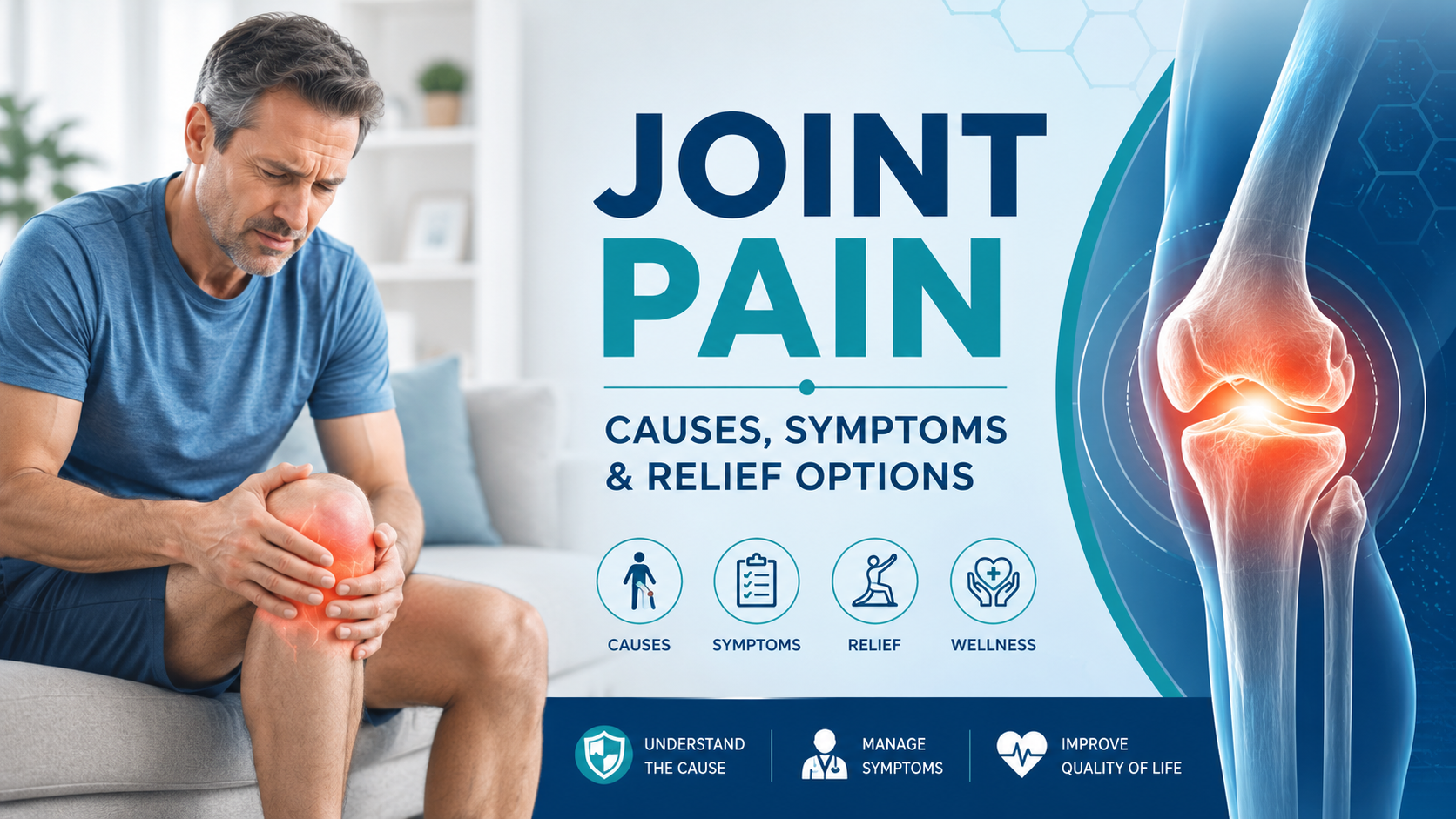
Painful joints make it hard to open a jar or climb stairs. You notice it most during simple tasks you used to ignore. The stiffness hits you in the morning or after sitting too long. Treating the problem early prevents years of limited movement.
What Causes Painful Joints in Different Parts of Your Body
Your knees bear the weight of your entire body with each step. Over time, the cartilage between bones wears down. This creates friction and inflammation. The same process happens in hips, ankles, and spine.
Shoulders and elbows hurt from repetitive motions at work. Typing all day strains your wrists and fingers. Athletes tear ligaments during sudden movements or impacts.
Your immune system sometimes attacks your own joint tissue. This causes rheumatoid arthritis in hands, feet, and wrists. The pain often affects matching joints on both sides of your body.
Infections can travel to joints through your bloodstream. Lyme disease from tick bites targets knees and other large joints. Viral infections occasionally trigger temporary joint pain throughout your body.
How Age and Weight Affect Painful Joints
Cartilage loses water content as you get older. It becomes less flexible and more prone to damage. Most people over 60 show some signs of joint degeneration on X-rays.
Every extra pound adds four pounds of pressure on your knees. A person carrying 20 extra pounds puts 80 additional pounds on each knee. This accelerates wear on hip and ankle joints too.
Losing just 10 pounds significantly reduces joint stress during walking. Your body produces fewer inflammatory chemicals at a healthier weight. The difference shows up in daily comfort levels within weeks.
Muscles weaken with age if you don’t use them regularly. Weak muscles fail to support and stabilize joints properly. This leads to abnormal movement patterns and increased pain.
Medical Treatments for Painful Joints That Work
Doctors start with anti-inflammatory medications to reduce swelling. NSAIDs like ibuprofen block chemicals that cause pain and inflammation. They work best when taken consistently rather than occasionally.
Corticosteroid injections deliver powerful anti-inflammatory drugs directly into joints. The relief can last weeks or months. Most doctors limit these to three or four per year.
Physical therapy teaches you exercises to strengthen supporting muscles. Therapists use heat, ice, and manual techniques to improve movement. The exercises continue at home for lasting results.
Hyaluronic acid injections add lubricating fluid to arthritic knees. The treatment mimics natural joint fluid. Some patients get months of relief from a series of shots.
Surgery replaces severely damaged joints with artificial ones. Hip and knee replacements last 15 to 20 years on average. Recovery takes months but eliminates chronic pain for most people. For those seeking alternatives to invasive procedures, natural joint support supplements offer a different approach worth exploring.
Daily Habits That Reduce Painful Joints
Moving regularly keeps joints flexible and nourished. Cartilage has no blood supply. It gets nutrients from the fluid that movement pumps through it.
Swimming and water aerobics let you exercise without impact stress. The water supports your weight while you build strength. Even walking in a pool helps.
Stretching tight muscles prevents them from pulling joints out of alignment. Focus on hip flexors, hamstrings, and calf muscles. Hold each stretch for 30 seconds without bouncing.
Ice reduces swelling after activities that aggravate your joints. Apply it for 15 minutes at a time. Heat works better for stiffness before you start moving.
Proper shoes with good arch support protect knees and hips. Replace running shoes every 300 to 500 miles. Worn-out cushioning transmits more shock to your joints.
Foods That Help or Hurt Painful Joints
Omega-3 fatty acids in fish reduce inflammatory chemicals in your body. Salmon, mackerel, and sardines provide the highest amounts. Aim for two servings per week.
Colorful fruits and vegetables contain antioxidants that fight inflammation. Berries, cherries, and leafy greens rank highest. Each color provides different protective compounds.
Sugar and refined carbs trigger inflammation throughout your body. They spike blood sugar and increase inflammatory markers. Cutting back often reduces joint pain within days.
Processed meats contain compounds that promote inflammation. Hot dogs, bacon, and deli meats affect joints more than fresh meats. Choose fresh chicken, turkey, or fish instead.
Vitamin D deficiency makes joint pain worse. Your body needs it to regulate inflammation and bone health. Most people need supplements during winter months.
Warning Signs Your Painful Joints Need Medical Attention
Sudden severe pain in one joint might signal an infection. Septic arthritis requires immediate antibiotic treatment. Delay can permanently damage the joint.
A hot, red, swollen joint indicates serious inflammation. This could mean gout, infection, or a severe flare-up. Don’t wait to see if it improves on its own.
Pain that wakes you from sleep suggests significant inflammation. Normal wear and tear rarely hurts at rest. This pattern needs evaluation by a doctor.
Joints that lock or catch during movement may have torn cartilage. Loose pieces can get stuck between joint surfaces. Surgery sometimes removes or repairs the damage.
Pain spreading to multiple joints over several weeks could indicate autoimmune disease. Early treatment prevents permanent joint damage. Blood tests help identify the specific condition.
Natural Remedies for Painful Joints Beyond Medication
Turmeric contains curcumin, a compound with anti-inflammatory properties. Studies show it reduces pain as effectively as some medications. Take it with black pepper to improve absorption.
Glucosamine and chondroitin supplements may slow cartilage breakdown. Research shows mixed results, but many people report improvement. They take months to show effects if they work.
Ginger has compounds that block inflammatory pathways in your body. Fresh ginger works better than dried powder. Add it to tea or cooking daily. When combined with other targeted ingredients, comprehensive joint health formulas may provide more complete support.
Massage increases blood flow and relaxes tight muscles around joints. Deep tissue work releases trigger points that refer pain to joints. Regular sessions help more than occasional treatments.
Acupuncture provides relief for some people with chronic joint pain. The mechanism isn’t fully understood, but clinical trials show positive results. Treatment typically requires multiple sessions.
How Different Types of Exercise Affect Painful Joints
Walking strengthens leg muscles without excessive impact. Start with 10 minutes and gradually increase time. Proper form matters more than speed or distance.
Yoga improves flexibility and builds strength through controlled movements. Gentle styles work better than intense practices for joint pain. Modified poses accommodate limited range of motion.
Weight training builds muscle that supports and protects joints. Use lighter weights with more repetitions. Focus on proper form to avoid injury.
High-impact activities like running can worsen knee and hip problems. The repetitive pounding accelerates cartilage breakdown. Switch to lower-impact options if pain increases.
Cycling strengthens legs while minimizing joint stress. The circular motion keeps joints moving through their range. Adjust seat height to prevent knee strain. Many people find that maintaining an active lifestyle becomes easier when they address underlying joint discomfort with targeted nutritional support for joint function.
Understanding the Connection Between Painful Joints and Sleep
Poor sleep increases pain sensitivity throughout your body. You feel more discomfort from the same level of joint damage. One bad night makes the next day harder.
Pain disrupts sleep, creating a cycle of worsening symptoms. You can’t find a comfortable position. You wake up when you roll over.
Supportive mattresses and pillows reduce pressure on painful areas. Side sleepers need a pillow between their knees. Back sleepers benefit from support under the knees.
Sleep position affects which joints hurt in the morning. Stomach sleeping strains your neck and lower back. Side sleeping can compress shoulder joints.
Your body repairs damaged tissues during deep sleep stages. Chronic sleep deprivation slows healing of inflamed joints. Prioritizing sleep quality helps more than most people expect.
Start moving more today and notice how your joints respond within a week.
Frequently Asked Questions
Can weather really make joint pain worse?
Yes, changes in barometric pressure affect joint fluid and tissue expansion. Many people notice increased pain before storms or during cold, damp weather. The effect is real, though scientists don’t fully understand the mechanism.
How long should I wait before seeing a doctor about joint pain?
See a doctor if pain lasts more than two weeks without improvement. Get immediate care for sudden severe pain, fever with joint swelling, or inability to use the joint. Early treatment prevents long-term damage in many conditions.
Do I need to stop exercising if my joints hurt?
No, but you should modify activities to reduce stress on painful joints. Choose low-impact exercises and avoid movements that cause sharp pain. Some discomfort during exercise is normal, but increased pain afterwards signals a problem.
Are expensive joint supplements worth the money?
Results vary widely among individuals and specific products. Some supplements like omega-3s have strong research support. Others lack good evidence despite high prices. Discuss options with your doctor before spending significant money.
Can joint damage be reversed once it starts?
Cartilage has limited ability to repair itself once damaged. However, reducing inflammation and building supporting muscles can significantly improve function. Early intervention prevents progression and maintains quality of life for years.